Reimagining Mataura

A Reimagined Mataura River System

  • Home
  • About Us
    • Annual Reports
  • Our Mahi
    • Programme Deliverables
    • Programme Overview
    • Current Projects Overview
    • Reimagining Mataura Project GIS Viewer
  • News & Updates
  • Stakeholders & Partners
  • Contact Us
    • Work for Us

News & Updates

A new generation of kanakana hatches in Murihiku, carried by generations of kaitiaki
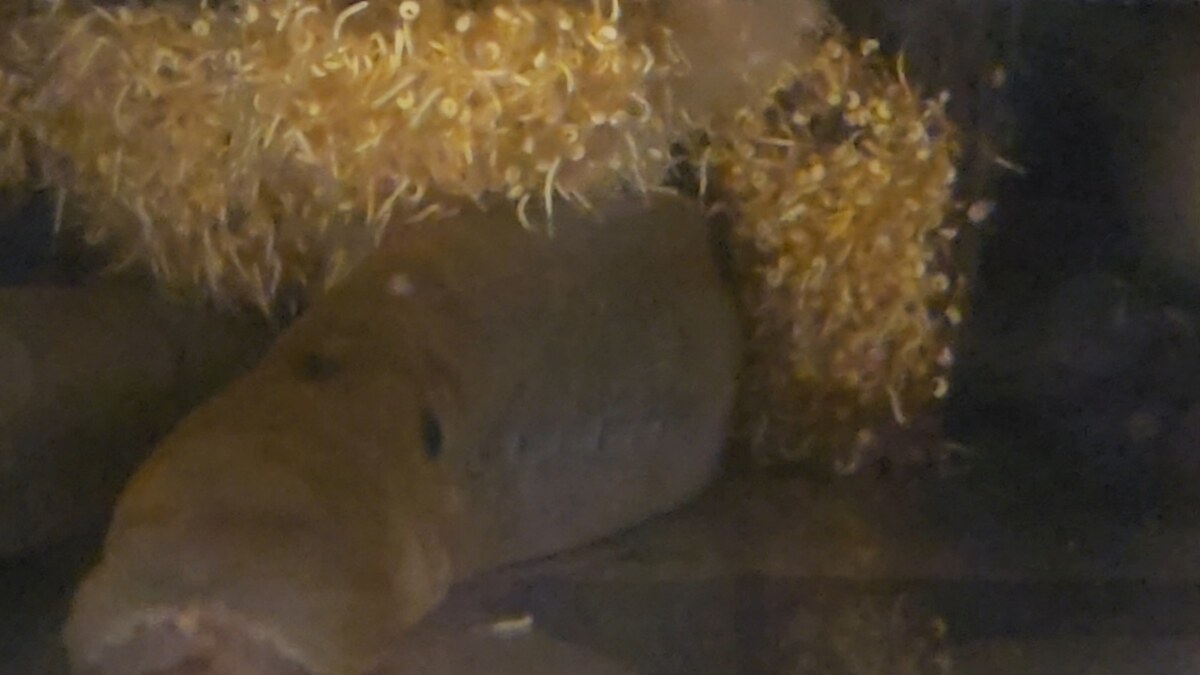
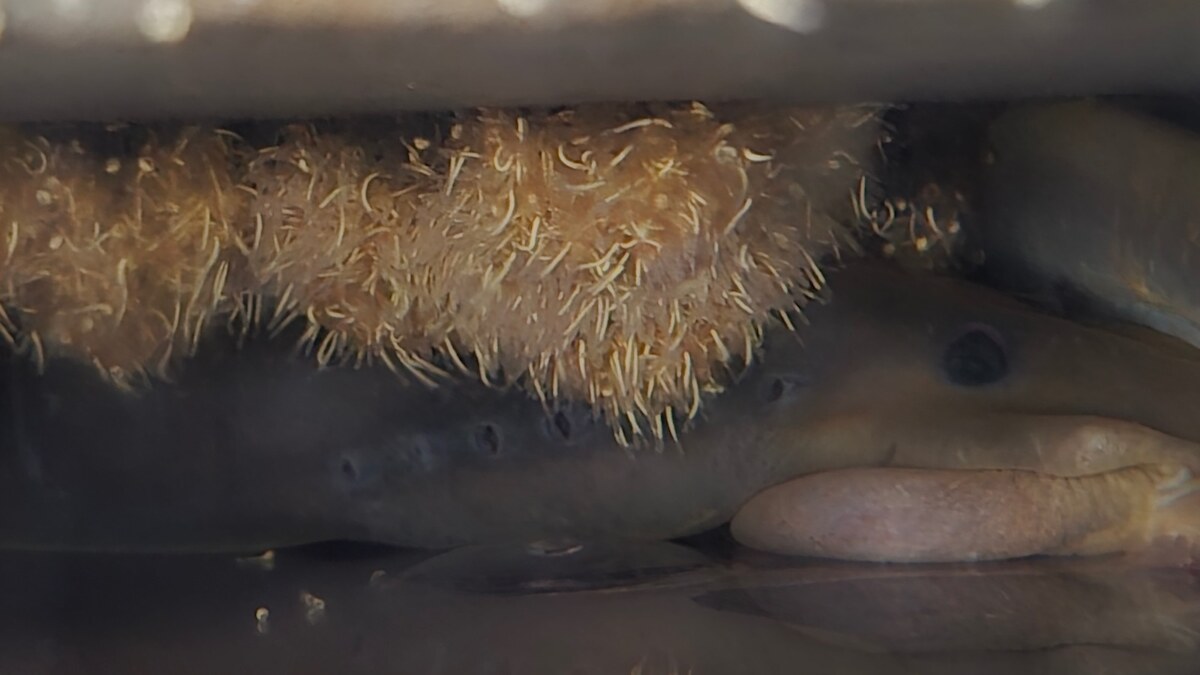
Female kanakana protecting and cleaning newly hatched larvae and eggs. Photo credit: Hokonui Rūnanga.Female kanakana protecting and cleaning newly hatched larvae and eggs. Photo credit: Hokonui Rūnanga.Kanakana larvae have hatched at Taonga Research, the kaupapa Māori research entity established by Hokonui Rūnanga. It is a hopeful moment for one of Aotearoa’s most ancient, and most threatened, freshwater taonga.

The larvae are the offspring of adult kanakana (pouched lamprey, Geotria australis). The adults were harvested from the wild during their upriver migration and cared for by the Taonga Research team until they reached maturity and spawned naturally in the tanks.

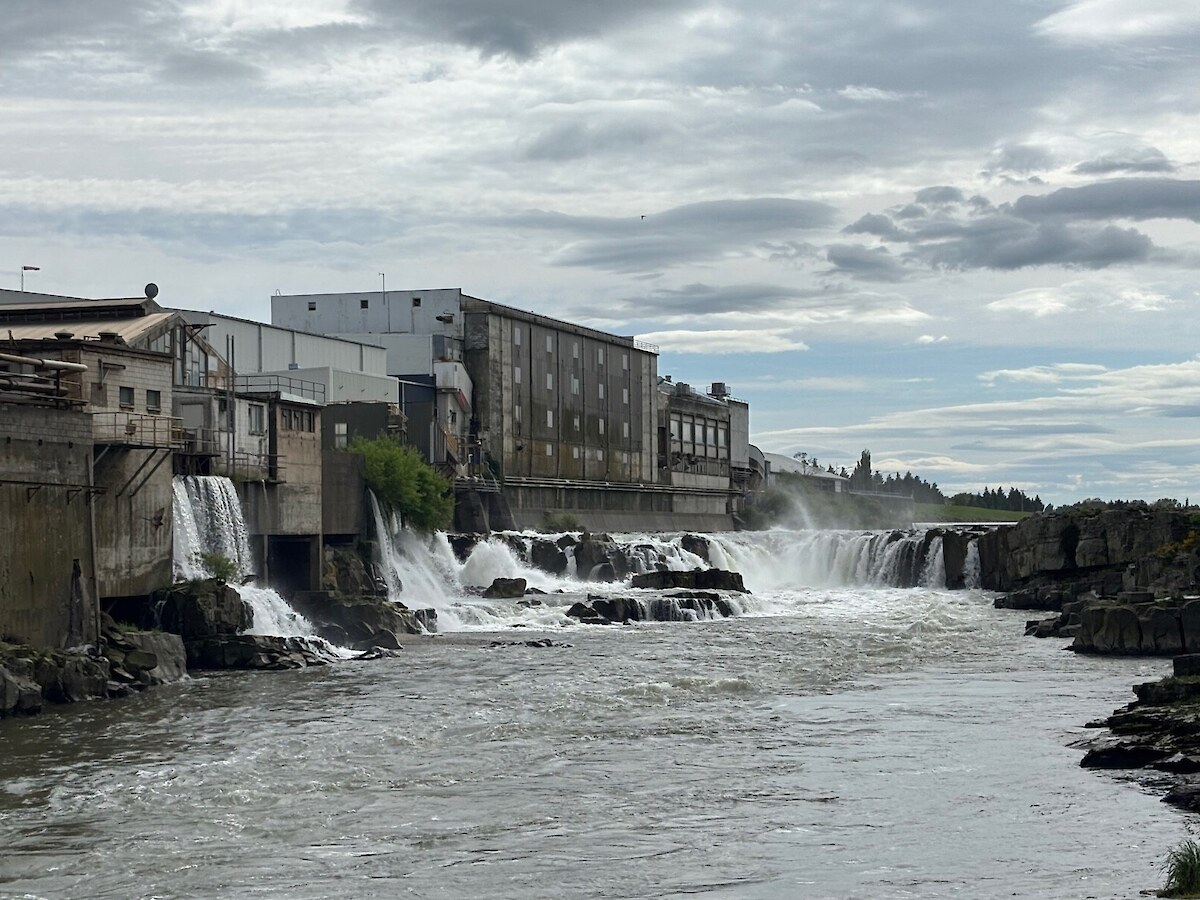
Kanakana, known as piharau to northern iwi, are descendants of a lineage more than 360 million years old. They have been mahinga kai for Ngāi Tahu and iwi across the motu for generations. Te Au-Nui-Pihapiha-Kanakana, the Mataura Falls, was once alive with migrating kanakana.

Mataura Falls.Mataura Falls.

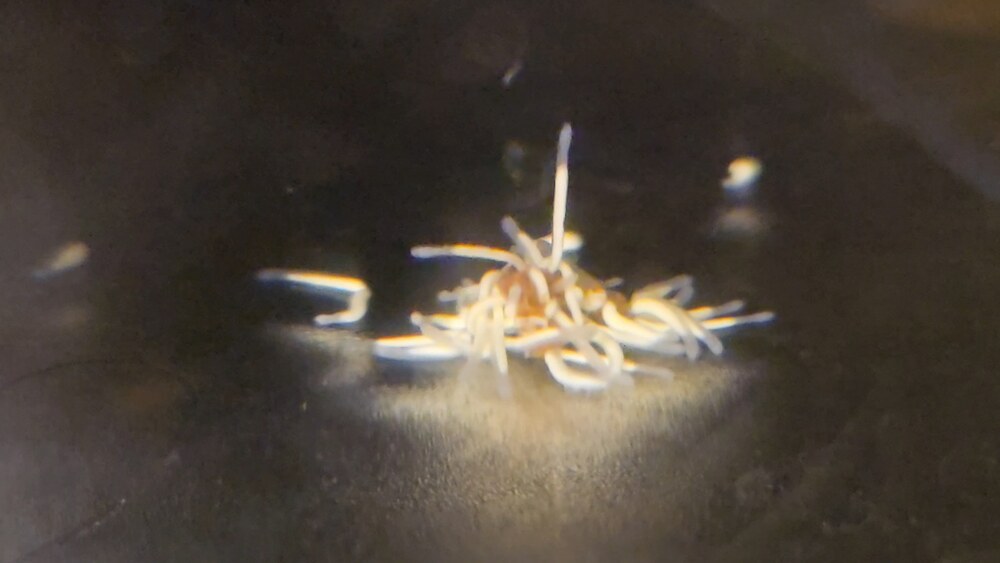
Clustered kanakana larvae with their sticky ends used to cluster together and the walls of the nest. Photo credit: Hokonui Rūnanga.Clustered kanakana larvae with their sticky ends used to cluster together and the walls of the nest. Photo credit: Hokonui Rūnanga.Today the species is classified Threatened – Nationally Vulnerable. It faces declining water quality, habitat loss, barriers to migration, and lamprey reddening syndrome, a symptom whose cause is still unknown. Taonga Research is working hard alongside Cawthron Institute to find out what causes it, through Cawthron’s MBIE-funded Emerging Aquatic Diseases research programme, with kanakana samples sent to Cawthron for testing each season.

“This is a huge milestone for Hokonui Rūnanga. Kanakana habitat is under significant pressure from land-use intensification, particularly sedimentation, which smothers both adult and juvenile habitat. By restoring our streams and reintroducing kanakana into our waterways we can start to rebuild the declining populations. Having kanakana and other freshwater taonga in our streams is a great water quality indicator, so we should be focused on making sure they are there in abundance,” says Luka Finn, Kaiārihi Taiao, Taonga Research.

For Hokonui, one of the 18 Papatipu Rūnanga of Ngāi Tahu, the work is grounded in kaitiakitanga. The knowledge gained will be shared with Ngāi Tahu whānui and wider iwi rōpū who hold kanakana and piharau as taonga. The long-term aim is to support restoration of kanakana populations, and eventually sustainable harvest, in awa across the motu, at the invitation of mana whenua.

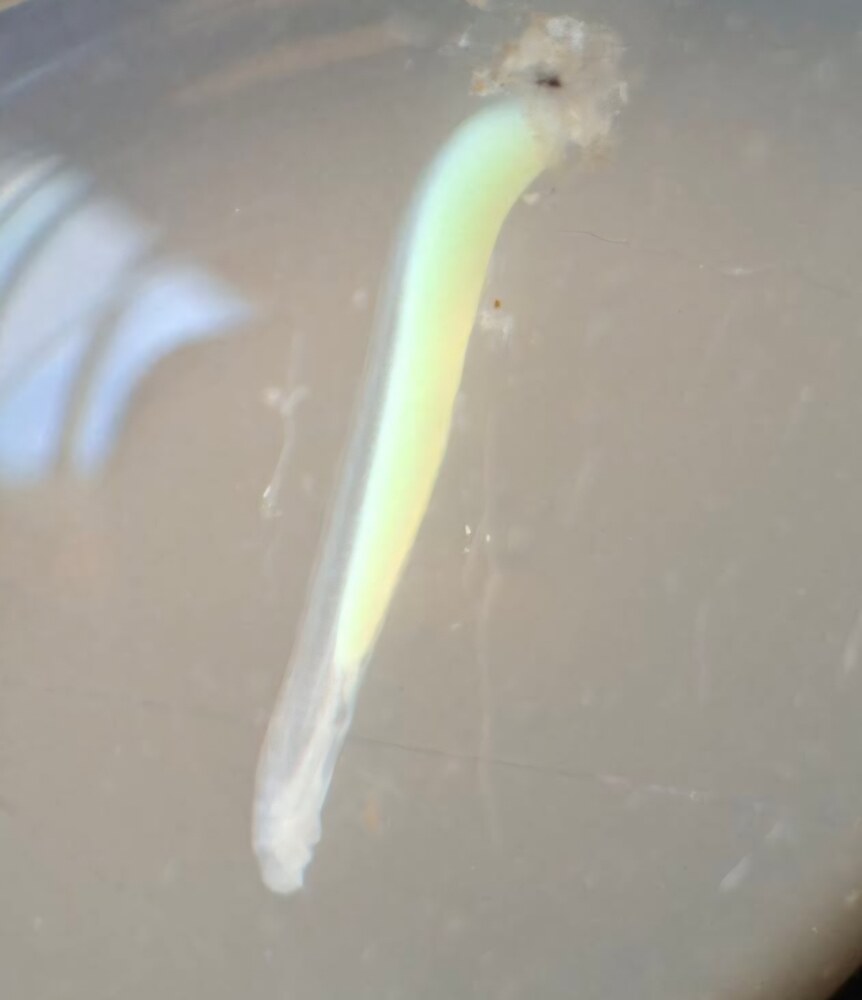
Newly hatched Pro-larvae under the microscope, note the translucent head and remaining egg sack. Photo credit: Hokonui Rūnanga.Newly hatched Pro-larvae under the microscope, note the translucent head and remaining egg sack. Photo credit: Hokonui Rūnanga.“This mahi began long before any of us. People like the late Rewi Anglem, who first raised the alarm about sick kanakana in the Mataura back in the 2000s and fought for this awa long before anyone else was listening, and the Hokonui executive, members and whānau who have carried this kaupapa for decades,” says Riki Parata, Programme Manager, Taonga Research.

“To the team at Taonga Research and Hokonui Rūnanga who made this happen – there are too many to name, but they know who they are. The same goes for the huge support we’ve had from industry, research organisations, universities and our communities. We couldn’t have done any of this without them.”

Special mention goes to Dr Matt Wylie (Ngāi Tahu) and the aquaculture team at the Bioeconomy Science Institute Maiangi Taiao in Nelson, including Senior Research Associate Chris Blake, and to Dr Jane Kitson (Ngāi Tahu). Their expertise in fish reproduction, husbandry and kanakana ecology, together with Matt and Jane’s knowledge of mātauranga Māori, was instrumental to this success.

This work has also been supported through the Bioeconomy Science Institute Maiangi Taiao’s Authentic Taonga Foods (ATF) research programme.

Taonga Research will continue its kanakana mahi, including restoring the Waikana Stream in Mataura for future reintroduction, supported by the Department of Conservation’s Community Fund for Hokonui Rūnanga’s Te Hokinga Mai a Kanakana project. Research is also expanding to other freshwater taonga, including giant kōkopu and kōura.

Male kanakana protecting and cleaning newly hatched larvae and eggs. Photo credit: Hokonui Rūnanga.Male kanakana protecting and cleaning newly hatched larvae and eggs. Photo credit: Hokonui Rūnanga.

Posted: 18 November 2026
Annual Report for the 2025/26 Financial Year now available

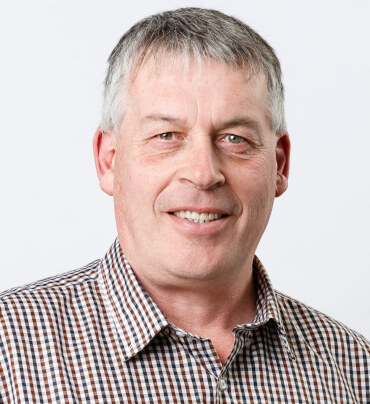
The 2025/26 Annual Report is now available (PDF, 3.55 MB).Terry Nicholas, Chairperson, Reimagining Mataura.Terry Nicholas, Chairperson, Reimagining Mataura.

Read Terry Nicholas’ Chair’s Report below:

As Chair of Reimagining Mataura, I am pleased to present this Annual Report and reflect on another year of progress toward our shared vision for Te Au-Nui Pihapiha-Kanakana, the Mataura River.

Reimagining Mataura was established through a partnership between Hokonui Rūnanga, Awarua Rūnanga, Waihopai Rūnanga, Ōraka/Aparima Rūnanga, Te Rūnanga o Ngāi Tahu, Fonterra, and Toitū Te Whenua | LINZ to explore a new future for the Mataura catchment by combining catchment design methodologies with mātauranga Māori. Our vision is to build cultural, environmental, and economic resilience while restoring the health and mauri of one of Murihiku’s most significant waterways.

The need for this work has never been clearer. Throughout this year, we have listened carefully to the voices of whānau whose lives and identities are deeply connected to the Mataura River. Their stories describe an awa that was once central to swimming, camping, whitebaiting, gathering tuna, kanakana, watercress, and other mahinga kai, while also serving as a place for learning, connection, and the passing of knowledge between generations. At the same time, those same voices have expressed concern about declining water quality, the loss of safe recreation opportunities, degradation of tributaries, flood risks, loss of habitat, and the diminishing health of traditional food sources. Despite these concerns, whānau share a strong belief that restoration is both necessary and achievable.

Responding to these aspirations has been a defining focus of our work this year through the development of the Reimagining Mataura 100-Year Strategy. Guided by facilitator Katerina Kupenga, the strategy was developed through a series of wānanga involving mana whenua, whānau, project partners, and community representatives. The process explored the historic significance of the river, the challenges facing the catchment today, and the opportunities available to future generations. The resulting strategy provides an intergenerational framework focused on protecting taonga tuku iho, strengthening cultural identity, restoring ecological health, and embedding sustainable and climate-resilient practices across the catchment. Adetailed 12-month action plan has also been adopted to move the strategy from aspiration to implementation.

A major achievement this year has been building the knowledge base required to support informed decision-making. Through our partnership with Takiwā Analytics, Reimagining Mataura has begun bringing together extensive environmental, cultural, and land-use information that has historically been scattered across numerous agencies and databases. For the first time, information on catchment boundaries, river networks, biodiversity records, fish species, floodplains, land tenure, and historical imagery is being assembled into a single platform governed by rūnanga. This initiative not only strengthens our understanding of the catchment as a connected living system but also supports Māori data sovereignty and ensures that future decisions can be informed by both science and mātauranga Māori.

Practical restoration continues to be equally important. The Glen Lapa Road Riparian Planting Project, developed in partnership with the Wilkins whānau, has progressed significantly during the year. The project will see approximately 1,075 metres of tributary margins restored through the establishment of more than 9,000 eco-sourced native plants. This initiative will improve water quality, enhance biodiversity, stabilise stream banks, and contribute to the long-term restoration of habitats throughout the catchment while demonstrating the positive outcomes that can be achieved through collaboration with landowners.

Our support for the Edendale Aquifer Group has also continued to deliver positive results. Through a combination of community leadership, scientific investigation, farm system analysis, and wetland development, the group has strengthened understanding of nutrient movement within the catchment while identifying practical solutions to improve water quality. The establishment of pilot wetlands, nutrient modelling tools, farm case studies, and extensive community engagement activities has created a strong foundation for future action. Together, these initiatives reflect a shift from understanding challenges to implementing solutions. They also align closely with the priorities identified by whānau, including restoring wetlands, improving water quality, enhancing mahinga kai opportunities, strengthening biodiversity, reducing flood risks, reconnecting communities with the river, and ensuring future generations can safely enjoy and learn from a healthy awa.

On behalf of the Steering Group, I extend my sincere thanks to Te Rūnanga o Ngai Tāhu, our rūnanga partners, whānau, landowners, community organisations, scientists, funders, contractors, and volunteers who continue to contribute their time, expertise, and passion to this kaupapa. The restoration of Te Au-Nui Pihapiha-Kanakana will take generations, but the progress made this year gives me confidence that we are laying the foundations for lasting change.

Posted: 12 October 2026

Braided Rivers Seminar 2023

The 2023 Braided Rivers Seminar was held on Wednesday 5th July at Lincoln University in Christchurch. Megan Reid, Louise Dennison, and Riki Parata were invited to present the Reimagining Mataura Project and Hokonui Rūnanga Kaupapa Taiao Freshwater Monitoring Programme.

The theme of this year’s seminar was ‘Braided awa past, present, and future.’ The presentation was well received by the audience, and we received lots of positive feedback.

Some of the organisations that were represented at the event included Environment Canterbury, the Department of Conservation, Fish and Game, Boffa Miskell, and Manaaki Whenua Landcare Research.

A PDF of our presentation, as well as presentations from the other speakers, has been uploaded here. Videos of each of the presentations will also be uploaded over the coming days.

Posted: 6 July 2023

Full Stakeholder Wānanga Presentation - Land and Water Science

Andrew Boyce (General Manager) presented an overview of the work that Land and Water Science are doing and how it is helping local farmers and catchment groups to make decisions about mitigations on a property and catchment scale. The presentation included an outline of ‘physiographics’, how they are working with farmers and catchment groups, and examples of some of the catchment insights that have been learned through the current work. A link to Andrew’s presentation slideshow can be found here (PDF, 2.44 MB).

Posted: 30 June 2023

Full Stakeholder Wānanga Presentation - GNS Science

Lee Chambers (Numerical Groundwater Modeller) presented an overview of climate change and sea level rise from the perspective of GNS Science. The presentation included an outline of the current climate change and sea level rise projects GNS are working on, the importance of groundwater in this context. A link to Lee’s presentation slideshow can be found here (PDF, 4.66 MB).

Posted: 29 June 2023

Prev page
Page 1 of 5
Next page

Our Mahi

Contact Us

Contact

Email: [Enable JavaScript to view protected content]

© 2026 Reimagining Mataura • Website by RS

  • Home
  • About Us
    • Annual Reports
  • Our Mahi
    • Programme Deliverables
    • Programme Overview
    • Current Projects Overview
    • Reimagining Mataura Project GIS Viewer
  • News & Updates
  • Stakeholders & Partners
  • Contact Us
    • Work for Us