
A new generation of kanakana hatches in Murihiku, carried by generations of kaitiaki
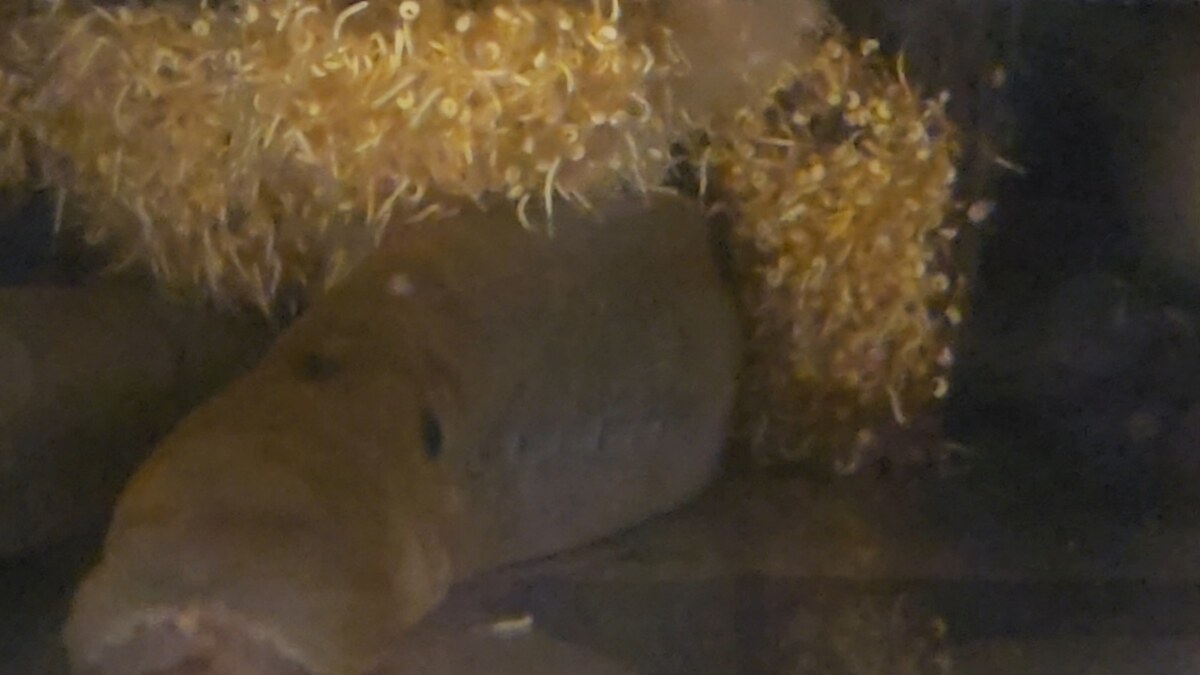 Female kanakana protecting and cleaning newly hatched larvae and eggs. Photo credit: Hokonui Rūnanga.
 Kanakana larvae have hatched at Taonga Research, the kaupapa Māori research entity established by Hokonui Rūnanga. It is a hopeful moment for one of Aotearoa’s most ancient, and most threatened, freshwater taonga.
The larvae are the offspring of adult kanakana (pouched lamprey, Geotria australis). The adults were harvested from the wild during their upriver migration and cared for by the Taonga Research team until they reached maturity and spawned naturally in the tanks.
Kanakana, known as piharau to northern iwi, are descendants of a lineage more than 360 million years old. They have been mahinga kai for Ngāi Tahu and iwi across the motu for generations. Te Au-Nui-Pihapiha-Kanakana, the Mataura Falls, was once alive with migrating kanakana.
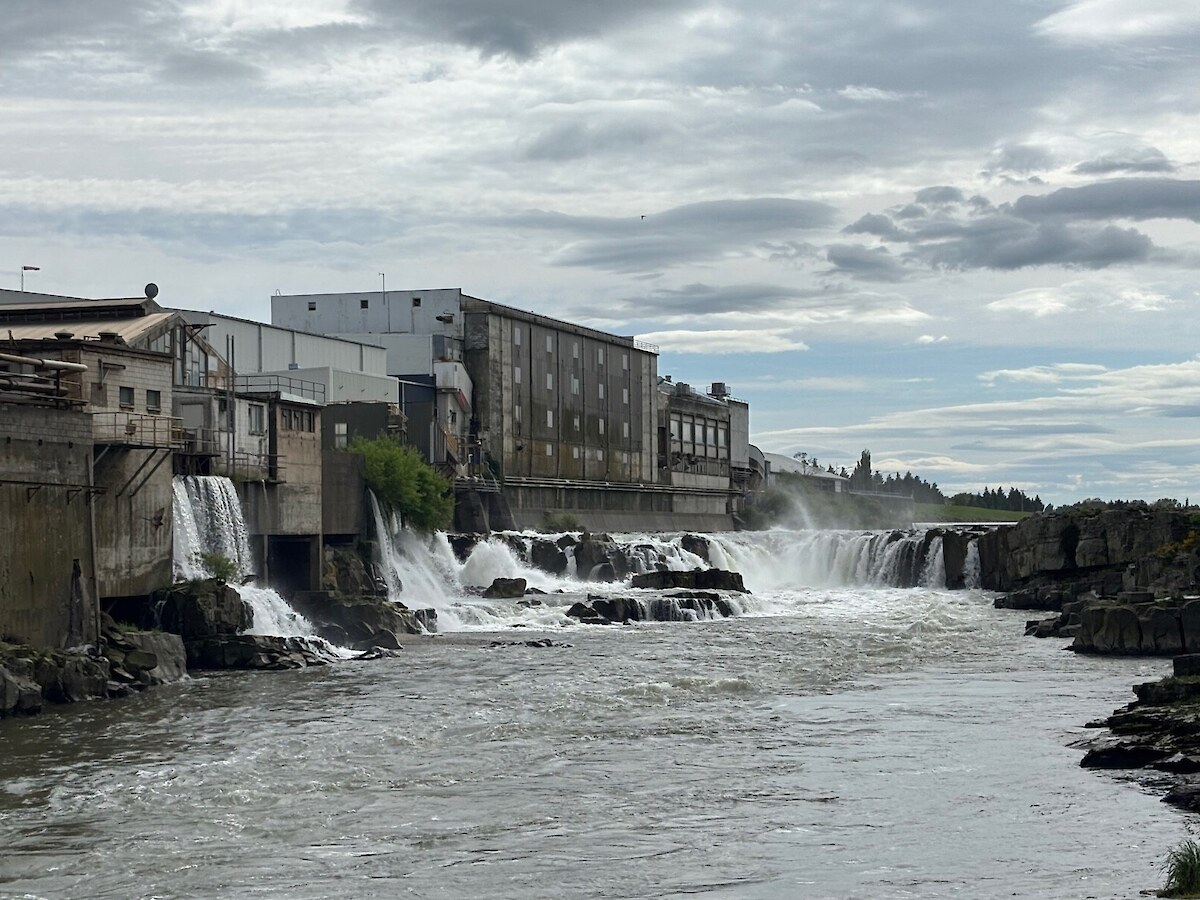 Mataura Falls.
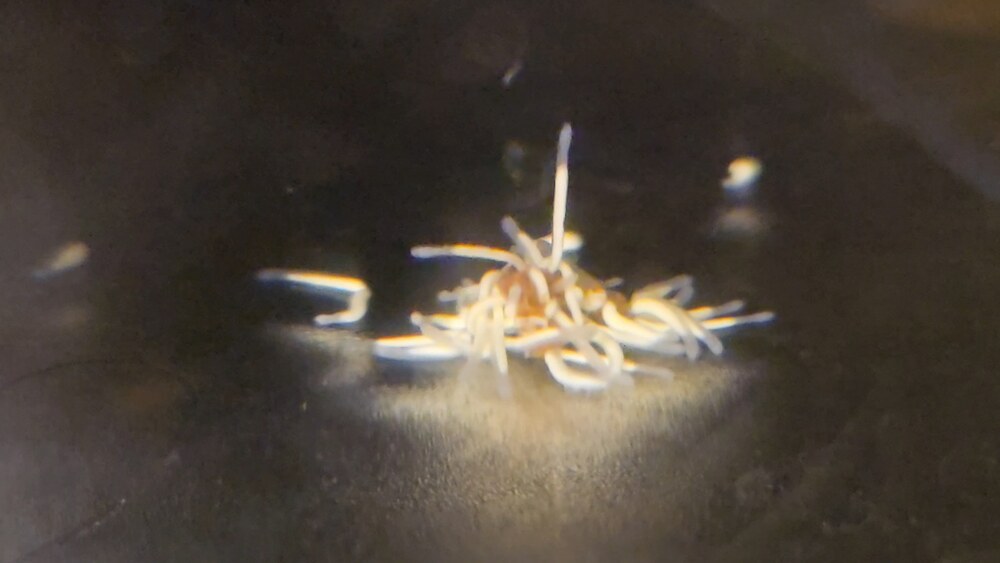 Clustered kanakana larvae with their sticky ends used to cluster together and the walls of the nest. Photo credit: Hokonui Rūnanga.Today the species is classified Threatened – Nationally Vulnerable. It faces declining water quality, habitat loss, barriers to migration, and lamprey reddening syndrome, a symptom whose cause is still unknown. Taonga Research is working hard alongside Cawthron Institute to find out what causes it, through Cawthron’s MBIE-funded Emerging Aquatic Diseases research programme, with kanakana samples sent to Cawthron for testing each season.
“This is a huge milestone for Hokonui Rūnanga. Kanakana habitat is under significant pressure from land-use intensification, particularly sedimentation, which smothers both adult and juvenile habitat. By restoring our streams and reintroducing kanakana into our waterways we can start to rebuild the declining populations. Having kanakana and other freshwater taonga in our streams is a great water quality indicator, so we should be focused on making sure they are there in abundance,” says Luka Finn, Kaiārihi Taiao, Taonga Research.
For Hokonui, one of the 18 Papatipu Rūnanga of Ngāi Tahu, the work is grounded in kaitiakitanga. The knowledge gained will be shared with Ngāi Tahu whānui and wider iwi rōpū who hold kanakana and piharau as taonga. The long-term aim is to support restoration of kanakana populations, and eventually sustainable harvest, in awa across the motu, at the invitation of mana whenua.
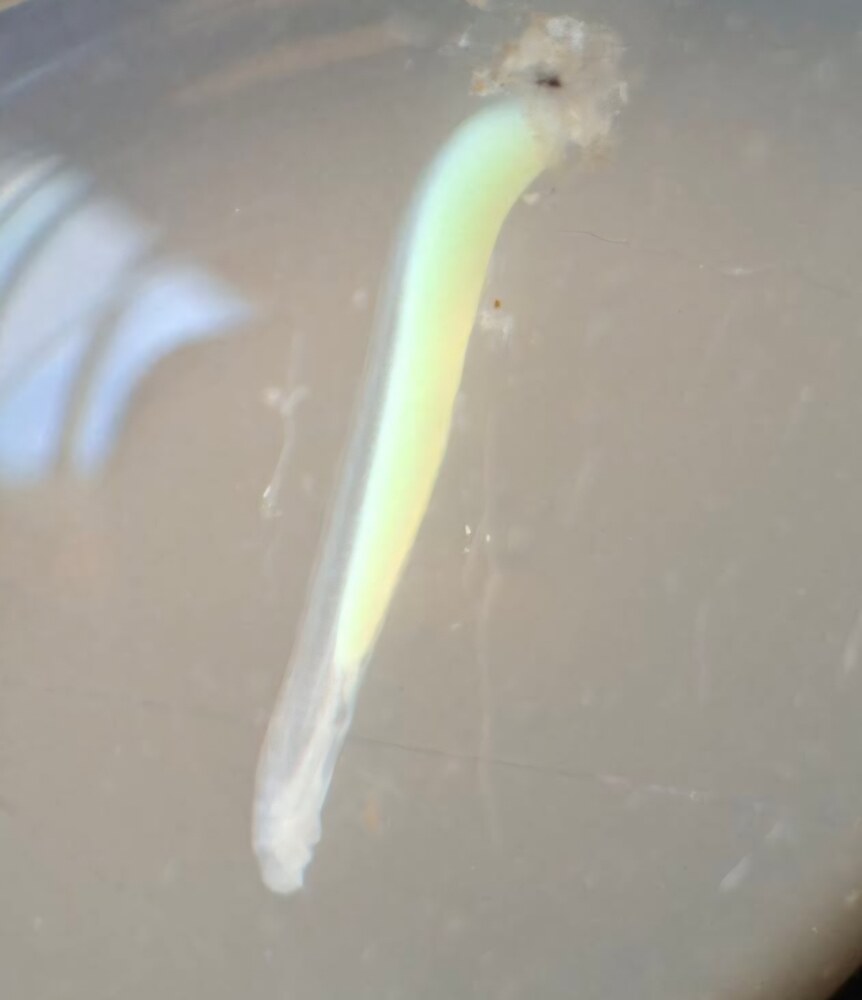 Newly hatched Pro-larvae under the microscope, note the translucent head and remaining egg sack. Photo credit: Hokonui Rūnanga.“This mahi began long before any of us. People like the late Rewi Anglem, who first raised the alarm about sick kanakana in the Mataura back in the 2000s and fought for this awa long before anyone else was listening, and the Hokonui executive, members and whānau who have carried this kaupapa for decades,” says Riki Parata, Programme Manager, Taonga Research.
“To the team at Taonga Research and Hokonui Rūnanga who made this happen – there are too many to name, but they know who they are. The same goes for the huge support we’ve had from industry, research organisations, universities and our communities. We couldn’t have done any of this without them.”
Special mention goes to Dr Matt Wylie (Ngāi Tahu) and the aquaculture team at the Bioeconomy Science Institute Maiangi Taiao in Nelson, including Senior Research Associate Chris Blake, and to Dr Jane Kitson (Ngāi Tahu). Their expertise in fish reproduction, husbandry and kanakana ecology, together with Matt and Jane’s knowledge of mātauranga Māori, was instrumental to this success.
This work has also been supported through the Bioeconomy Science Institute Maiangi Taiao’s Authentic Taonga Foods (ATF) research programme.
Taonga Research will continue its kanakana mahi, including restoring the Waikana Stream in Mataura for future reintroduction, supported by the Department of Conservation’s Community Fund for Hokonui Rūnanga’s Te Hokinga Mai a Kanakana project. Research is also expanding to other freshwater taonga, including giant kōkopu and kōura.
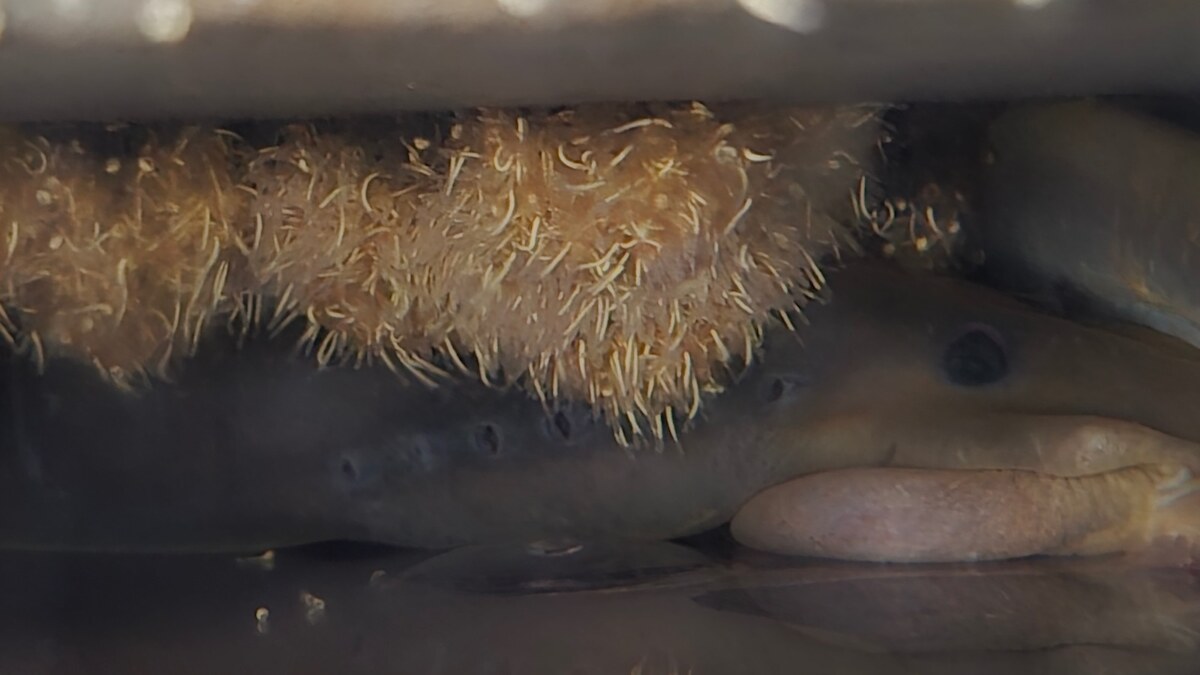 Male kanakana protecting and cleaning newly hatched larvae and eggs. Photo credit: Hokonui Rūnanga.
Posted: 18 November 2026

